
INTRODUCTION
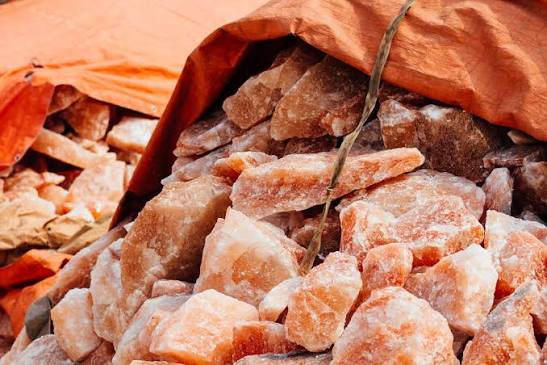
Pink salt is composed primarily of sodium chloride (NaCl) and a blend of natural trace minerals. It’s becoming more and more popular among people because of minimal processing. Pink salt originates from the ancient Khewra mines in Punjab, Pakistan. It is vividly distinguished from ordinary table salt as it contains several minerals in small amounts. It can be found in different shades of like brownish-red, pink, and a tint of orange. All these shades make it unique and beautiful. It is widely used in cosmetics, cooking, spas, and livestock, etc.
Due to its multiple applications, pink salt can be found in several forms, such as :
- Pink salt bath products
- Pink salt blocks used for handy cooking surfaces, decoration and serving platter as well
- Coarse pink salt crystals
- Fine pink salt for cooking
- Pink salt lamps and many decorative items
IS PINK SALT GOOD FOR HEALTH?
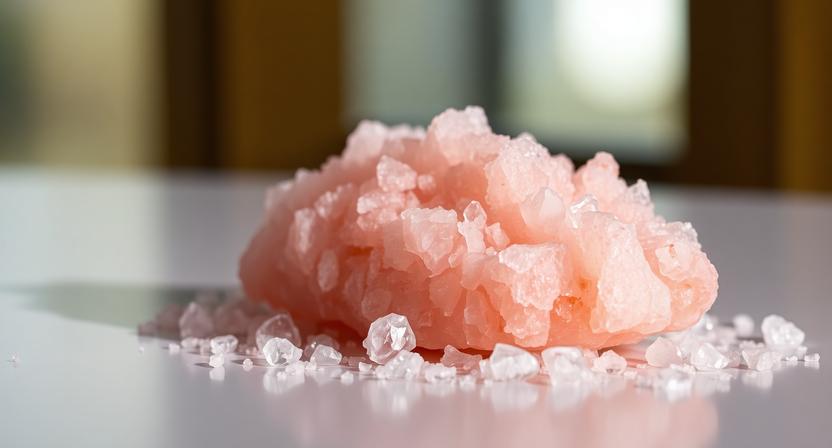
Here we will guide you through the potential health benefits and possible risks of pink salt consumption, and you will understand the difference between Epsom salt and pink salt. Pink salt contains sodium, which is an essential mineral for the body that helps maintain fluid balance, support nerve function, enables normal muscle function in the body. However, Hamalayan pink salt is a salt itself; if consumed daily in excess of the body’s requirement, it can be a risk for health.
Some of obvious potential benefits of pink salt are listed below:
- Add flavor to foods
- Serves as an alternatives to other types of salt
- Provide sodium needed for normal body functions
- Used in spas and relaxing bath
Is pink salt bad or good for BP?
You can say, this is one of the most important and common questions asked. Like any other ordinary salt, pink salt also contains a sizeable amount of sodium chloride(Nacl), so people with blood pressure concerns should be more careful about sodium intake. The more sodium you consume, the higher the chances of high blood pressure (hypertension), Increased risk of heart disease, stroke, kidney disease, fluid retention. Therefore, one should be smart enough to use this naturally occurring salt in moderation and acquire its benefits.
Should You Use Pink Salt If You Have High Blood Pressure?
If you have high blood pressure, don’t assume that Himalayan pink salt is a safer alternative simply because it is natural or contains trace minerals.
Instead, consider:
- Overall use pink salt in smaller amounts
- Choosing such foods that are lower in sodium
- Check nutrition labels
- Eat fresh, minimally processed foods
- Follow your healthcare professional’s dietary advice
Pink Salt vs. Table Salt
Pink salt and table salt are both mainly composed of sodium chloride, but some of the notable differences are:
| Feature | Pink Salt | Refined Table Salt |
| Main Component | Sodium chloride | Sodium chloride |
| Processing | Minimal | Highly refined |
| Color | Pink | White |
| Trace Minerals | Present | Mostly removed during refining |
| Iodine | Naturally occuring in small amount | Often fortified with iodine |
| Anti-Caking Agents | Usually absent | Commonly added |
It is noteworthy many refined table salts are fortified with Iodine; this added iodine is not naturally occuring in the refined salt and is, in fact, not a healthy option.
Are pink salt and Epsom salt the same?
No, they are completely different substances.Himalayan pink salt and Epsom salt are distinctly different from each other. Pink salt is primarily sodium chloride (NaCl), while Epsom salt is magnesium sulfate (MgSO₄).
Because of this difference, they have different properties and common uses.
| Feature | Himalayan Pink Salt | Epsom Salt |
| Main compound | Sodium chloride | Magnesium sulfate |
| Common use | Cooking and seasoning | Baths and household uses |
| Contains sodium | Yes | No significant sodium chloride |
| Contains magnesium | Small amounts | Magnesium is a major component |
| Food use | Yes, when food-grade | Generally not used as a cooking salt |
| Bath use | Sometimes used | Commonly used in baths |
Epsom salt is basically well-known for use in warm baths. Himalayan pink salt can also be added to bathwater as part of a relaxation routine, but the two should not be considered interchangeable.
Prospective Health Benefits of Pink Salt
1. Natural and Minimally Processed
One good advantage of pink salt is that it is generally less processed than refined table salt. In the process of refining salt, many naturally occurring nutrients wasted. Many consumers prefer minimally processed foods because they retain their natural composition and avoid unnecessary additives.
2. Contains Trace Minerals
Pink salt naturally contains a variety of minerals such as Sodium chloride, potassium, calcium, magnesium, iron, zinc, copper, manganese, phosphorus, sulpfur, chromium, boron, silicon, fluoride, bromide, Iodine (naturally occurring in small amounts), lithium, selenium and strontium that are absent or reduced during the refining of ordinary table salt. Although these minerals are present in pink salt in very small amounts, they contribute to the salt’s unique composition and appearance.
3. Enhances Food Flavor
Many chefs like pink salt for its clean taste and coarse texture. Its flavor can enhance a wide range of dishes, making it a popular choice for seasoning meats, vegetables, salads, soups, and grilled foods.
4. Supports Normal Electrolyte Balance
Hamalayan pink salt contributes to maintaining normal electrolyte balance in the body due to its sodium and chloride content. Electrolytes are important for hydration, muscle contraction, and nerve signaling. However, most people obtain sufficient sodium through their regular diet, so it is generally recommended not to consume additional salt each day.
5. Culinary Versatility
Pink salt can be used in:
- Everyday cooking
- Baking
- Dry rubs for meat
- Seafood seasoning
- Pickling
- Salt grinders
- Cooking on salt slabs
- Its coarse crystals also provide an appealing texture in gourmet cuisine.
6. Decorative and Wellness Uses
Beyond cooking, pink salt is used to make decorative lamps, candle holders, bath salts, cosmetics and spa products. While many wellness claims surrounding these products lack strong scientific evidence, they remain popular for aesthetic and relaxation purposes.
7. Livestock
Himalayan pink salt is extensively used for livestock such as goats, cows, horses, sheep and cattle. Animal lick Himalayan Animal lick freely whenever they want, Animal get a better digestion by licking salt which balances stomach acid, increased water intake and improved fertility.
How Much Pink Salt Should You Eat?
For many people, the goal should be to keep total sodium intake within recommended limits rather than focusing on a particular type of salt.
It should be remembered that sodium isn’t only found in the salt shaker. Many processed foods, packaged snacks, sauces, canned foods, restaurant meals, and processed meats can contribute large amounts of sodium in our diet.
Reading nutrition labels can help you understand how much sodium you are actually taking in.
Frequently Asked Questions About Pink Salt
Is Pink Salt Healthier Than Regular Salt?
Not necessarily. Pink salt contains trace minerals, but they are generally present in very small quantities. Both pink salt and regular salt provide sodium, so moderation remains important.
Is Pink Salt Good for Health?
In a sense, it is more natural than regular table salt, which is almost made synthetically and has lost natural ingredients. Pink salt can be used as part of a balanced diet in a moderation.
Is Pink Salt Bad or Good for BP?
Pink salt isn’t a special low-sodium salt. Because it contains sodium, consuming too much can contribute to higher blood pressure. People concerned about blood pressure should focus on reducing their overall sodium intake.
Is Pink Salt and Epsom Salt Same?
No. Pink salt is primarily sodium chloride, while Epsom salt is magnesium sulfate. They have different chemical compositions and common uses.
Can You Use Pink Salt for a Bath?
Food-grade Himalayan pink salt is sometimes used in baths as part of a relaxation ritual.
Can You Cook With Pink Salt?
Yes. Food-grade Himalayan pink salt can be used for cooking and seasoning just like other culinary salts.
Conclusion:
Himalayan pink salt is an attractive and versatile seasoning for decoration and bathing use. Is pink salt good for health? In moderation, it can be part of a balanced diet, but its sodium content means that excessive consumption isn’t good for health. Nowadays, naturally occurring foods even treated with chemicals, resulting in the loss of many of the benefits; pink salt is a better option than any refined salt, which is treated with chemicals and lost its value.
If you’re wondering whether pink salt bad or good for BP, the most important factor is your total sodium intake rather than the color or source of the salt, if you consume a large amount of pink salt a day, it means you are not gaining benefits from natural Himalayan salt; moderation in any aspect yields better results.
And if you’re wondering whether pink salt and Epsom salt are the same, remember that they are chemically different products with different purposes.
The healthiest approach is to use salt moderately, eat a varied diet rich in whole foods, and follow individualized medical or dietary advice if you have conditions such as high blood pressure.
https://theworldtreasures.com/
For more info watch this short video.