
INTRODUCTION:
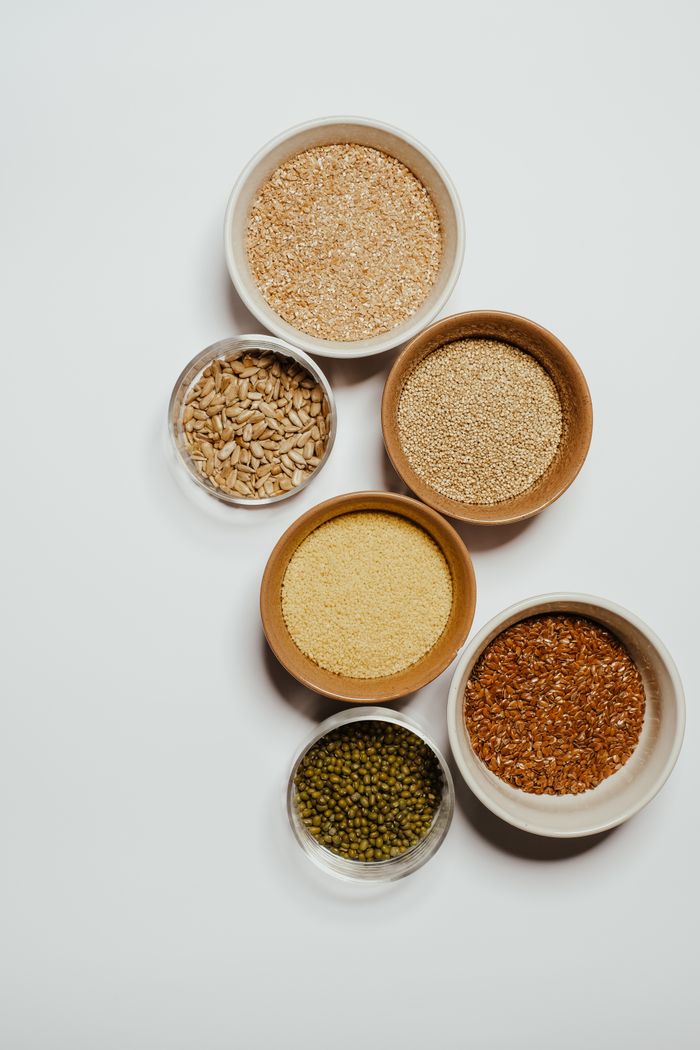
Phosphorus is one of the essential minerals that plays a major role in maintaining strong bones, producing energy, supporting muscles, and keeping cells functioning well. Although it is misunderstood by many people associate phosphorus with animal-based foods such as dairy products, meat, and seafood, several plant-based foods are also naturally rich in this important mineral. Some seeds are the most nutrient-packed options available.
These phosphorus-containing seeds are small but contain powerful nutritional value. They have a combination of minerals, plant-based protein, healthy fats, fiber, antioxidants, and bioactive compounds that support overall health. If you include phosphorus-rich seeds in your daily diet, it can help increase your mineral intake while adding variety, flavor, and texture to meals.
If we look from pumpkin seeds and chia seeds to quinoa, many seeds provide substantial amounts of phosphorus along with other nutrients that contribute to better health. However, each seed has its own importance and nutritional value and possible limitations. Among them, some are extremely high in calories, some contain compounds that may reduce mineral absorption, while others are commonly eaten only in small quantities.
This article guides you to explore the best phosphorus-rich seeds, their nutritional value, benefits, and possible considerations. That helps you understand which seeds are the best choices for your lifestyle.
Why Is Phosphorus Imperative for the Body?
After calcium, Phosphorus is the second most abundant mineral in the human body. A large percentage of the body’s phosphorus is stored in bones and teeth, where it works together with calcium to maintain strength and structure. However, phosphorus does much more than support skeletal health.
It is that mineral which is involved in energy production because it forms part of ATP (adenosine triphosphate), the molecule responsible for storing and transferring energy inside cells. Phosphorus also supports muscle contraction, nerve signaling, DNA formation, cell repair, and maintaining a healthy acid-base balance.
A deficiency of phosphorus is uncommon in those people who consume a balanced diet, but getting enough phosphorus from nutritious foods is important for maintaining optimal health. Seeds are particularly valuable because they provide phosphorus along with other minerals such as magnesium, zinc, iron, and calcium.
Pumpkin Seeds (Pepita): The Topmost Phosphorus-Rich Seed
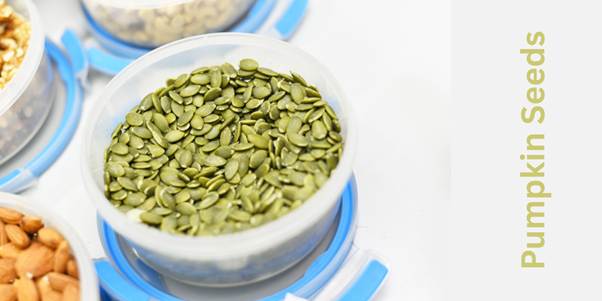
Pumpkin seeds, also known as Pepita, are among the richest plant-based sources of phosphorus. With approximately 1,230 mg of phosphorus per 100 grams, they rank at the top among commonly consumed edible seeds. These green seeds have been valued for centuries because of their impressive nutritional profile and versatility.
Pumpkin seeds contain high levels of magnesium, zinc, iron, protein, and healthy unsaturated fats, beyond phosphorus. Their combination of minerals makes them especially beneficial for bone health, muscle function, and support the immune system. The magnesium content in pumpkin seeds also plays a role in hundreds of biochemical reactions in the body, including energy metabolism and nerve function.
One of the biggest advantages of pumpkin seeds is their high nutrient concentration. A small serving can provide meaningful amounts of phosphorus, protein, and essential minerals without requiring a large quantity of food. These seeds go well in salads, oatmeal, smoothies, homemade energy bars, or simply eaten as a snack.
However, pumpkin seeds also have some considerations. They are calorie-dense because of their healthy fat content, so avoid excessive consumption, which may contribute to excess calorie intake. Salted or flavored varieties can contain high amounts of sodium, which may not be suitable for people with high blood pressure. Choosing unsalted or lightly roasted varieties is usually the better option.
Chia Seeds: A Powerful blend of Phosphorus and Omega-3 Fatty Acids
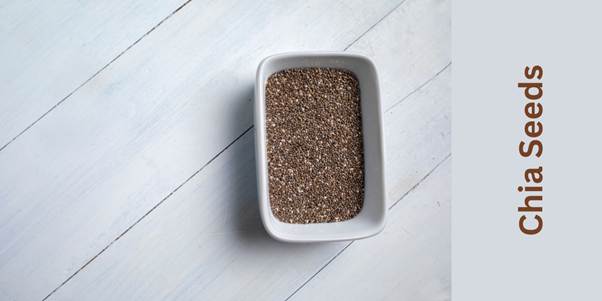
Chia seeds have become one of the most popular health foods worldwide, and for good reason. These tiny black or white seeds contain approximately 860 mg of phosphorus per 100 grams while also providing impressive amounts of fiber, omega-3 fatty acids, protein, calcium, and antioxidants.
Due to the unique ability of chia seeds to absorb water and form a gel-like texture, it makes them popular in smoothies, puddings, and breakfast recipes. It contains a high fiber content which supports digestive health and may help promote feelings of fullness, making it a useful addition to balanced diets.
Chia seeds are also known for their plant-based omega-3 fatty acids, which support heart health and overall wellness. Their combination of phosphorus, calcium, and magnesium makes them valuable for maintaining healthy bones.
Despite their benefits, chia seeds should be consumed properly and in a moderate portion because they absorb a significant amount of liquid. Eating large amounts without taking enough water may cause digestive discomfort. People who are not used to high-fiber foods may experience bloating when increasing their intake too quickly. For precaution, moderate portions are a practical way to enjoy their benefits.
Poppy Seeds: Tiny Seeds With Impressive Mineral Content
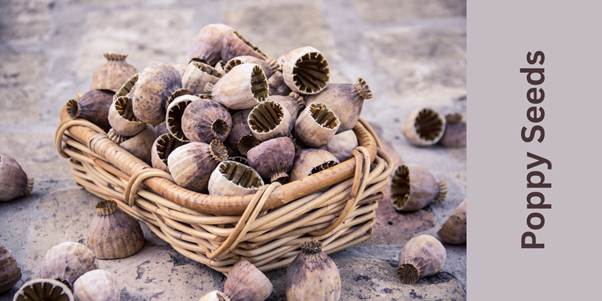
These seeds are small, but they provide a surprisingly high amount of phosphorus, with approximately 870 mg per 100 grams. The tiny poppy seeds are commonly used in baking, spice mixtures, and traditional cuisines around the world.
Poppy seeds are valued not only for phosphorus but also for calcium, manganese, copper, and healthy fats. These mineral combinations make them supportive of bone strength and normal metabolic function. They also contain plant compounds with antioxidant properties that help protect cells from oxidative stress.
Another great advantage of poppy seeds is that they add nutritional value without requiring major changes to recipes. A small amount can enhance flavor and texture in breads, poppy seed-filled roti(bread), pastries, salads, and sauces.
The main limitation of poppy seeds is that they are usually consumed in small quantities, meaning their contribution to daily phosphorus intake may be lower compared with seeds eaten by a handful. Some people may also have sensitivities or allergies to poppy seeds, although this is relatively uncommon.
Watermelon Seeds: An Unnoticed Source of Plant Nutrition
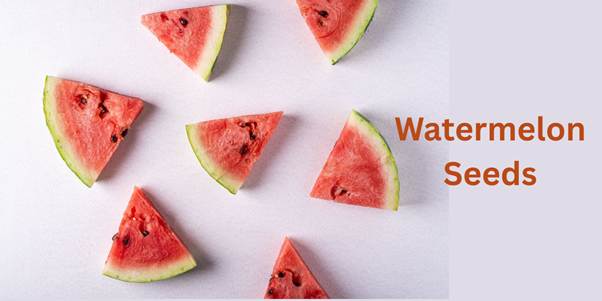
It is observed that watermelon seeds are often discarded by most people, but they are actually nutrient-rich seeds containing approximately 750 mg of phosphorus per 100 grams. When roasted, they become a crunchy snack that provides protein, healthy fats, magnesium, iron, and phosphorus.
The nutritional draft of watermelon seeds makes them a valuable addition to a healthy diet. They provide plant-based protein, which is important for muscle maintenance and tissue repair. Their mineral content also supports energy production and overall metabolic health.
One of the major benefits of watermelon seeds is that they offer a good nutritious alternative to processed snacks. Roasted watermelon seeds can satisfy cravings while providing important nutrients.
The main drawback of processed seeds is that many commercially available roasted watermelon seeds are salted, which can increase sodium intake. Like most seeds, they are also calorie-rich, so portion control is important for people managing their calorie intake. So, if you are eating processed watermelon seeds, it is advisable to wash properly before consumption.
Sunflower Seeds: A Famous Seed Rich in Phosphorus and vitamin E
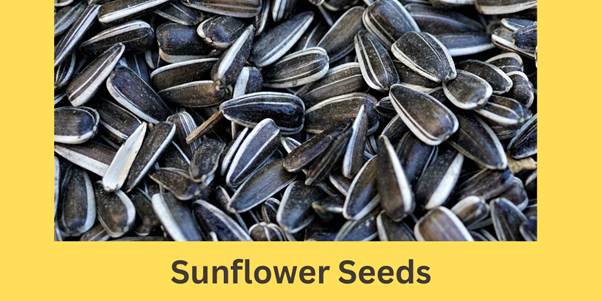
Sunflower seeds are among the most widely consumed seeds and provide approximately 660 mg of phosphorus per 100 grams. They are particularly known for their high vitamin E content, an antioxidant that helps protect cells from oxidative stress.
These seeds provide a beneficial combination of phosphorus, healthy fats, protein, selenium, and magnesium. Their vitamin E content makes them especially valuable for skin health and immune support, while their healthy fats contribute to cardiovascular wellness.
The reason why sunflower seeds are mostly used by people is their availability and affordability. They can easily be added to salads, cereals, trail mixes, and baked foods.
However, sunflower seeds are energy-rich, meaning eating large amounts can significantly increase calorie intake. Many packaged sunflower seeds are also heavily salted, so choosing unsalted varieties is a healthier choice.
Flaxseeds: A Phosphorus-Rich Seed With Heart-Healthy Benefits
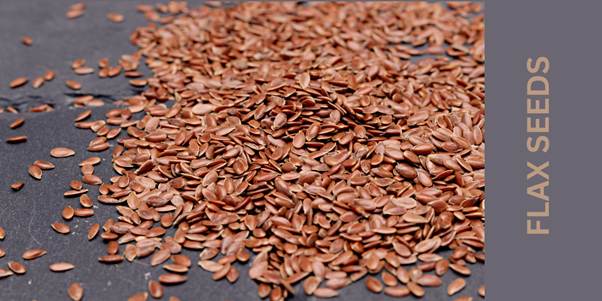
Flaxseeds are among the most nutritious seeds available, offering approximately 640 mg of phosphorus per 100 grams. These small brown or golden seeds have gained worldwide attention because of their high omega-3 fatty acid content, fiber, and antioxidant compounds known as lignans.
The phosphorus in flaxseeds helps in maintaining healthy bones, energy metabolism, and normal cellular function. However, their biggest nutritional advantage comes from their combination of fiber and omega-3 fats. The soluble fiber in flaxseeds may support digestive health, while their plant-based omega-3 fatty acids contribute to heart and overall health goodness.
One important benefit of flaxseeds is that they are versatile and easy to include in everyday meals. They can be mixed into smoothies, sprinkled over yogurt, added to oatmeal, or used in baking. Ground flaxseeds are usually preferred because whole flaxseeds are hard to chew and can sometimes pass through the digestive system without being fully broken down.
Despite their benefits, flaxseeds require proper use. Eating large amounts may cause digestive discomfort because of their high fiber content, especially for people who are not adapted to fiber-rich foods. They also contain natural oils that can become rancid if not stored properly, so keeping ground flaxseed refrigerated can help maintain freshness.
Sesame Seeds: It’s a Traditional Seed With Strong Mineral Benefits
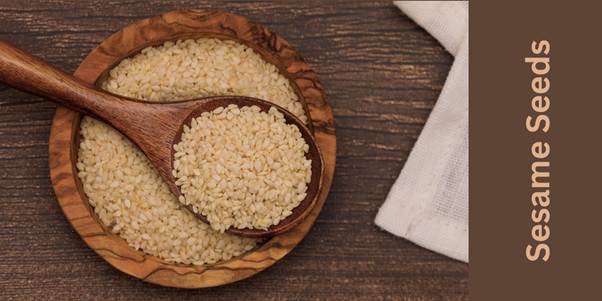
Sesame seeds provide approximately 630 mg of phosphorus per 100 grams and have been used in traditional diets for thousands of years. These small seeds are widely recognized for their nutty flavor and are commonly found in foods such as tahini, bread toppings, sauces, sweet dishes and Asian cuisine.
One of the greatest powers of sesame seeds is their broad mineral profile. In addition to phosphorus, they contain calcium, magnesium, copper, iron, and beneficial plant compounds. The combination of phosphorus and calcium makes sesame seeds particularly interesting for supporting bone health.
Sesame seeds also contain antioxidants which help protect cells from oxidative stress. Their healthy fats may also contribute to maintaining a balanced heart-health profile.
Sesame seeds can be easily added to meals without changing the overall taste significantly. However, sesame seeds are calorie-dense, and excessive consumption may contribute to excess calorie intake. Another consideration is that sesame is one of the more common food allergens, so people with sesame sensitivity should avoid them.
Quinoa: These Protein-Rich Seeds Often Mistaken for a Grain
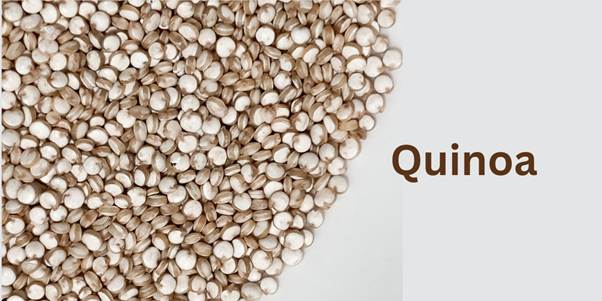
Although quinoa is commonly known as a grain, it is technically a seed. It provides approximately 450 mg of phosphorus per 100 grams in its raw form and because of its impressive nutritional aspect, it has become popular worldwide .
Quinoa stands out because it is considered a complete plant protein, meaning it contains all nine essential amino acids that are necessary for the body. Along with phosphorus, quinoa provides fiber, magnesium, manganese, iron, and other valuable nutrients.
One of the biggest benefits of quinoa is that it offers a balanced combination of protein, minerals, and complex carbohydrates. It is naturally gluten-free, making it a useful alternative for people who avoid gluten-containing grains.
The limitation of quinoa is that its phosphorus content is comparatively lower than seeds such as pumpkin, chia, and poppy seeds. Raw quinoa also contains saponins, natural compounds that can create a bitter taste. It is preferable to rinse quinoa before cooking. Some people may also find quinoa more expensive than traditional grains.
Amaranth: An Ancient Seed Packed With Nutrients
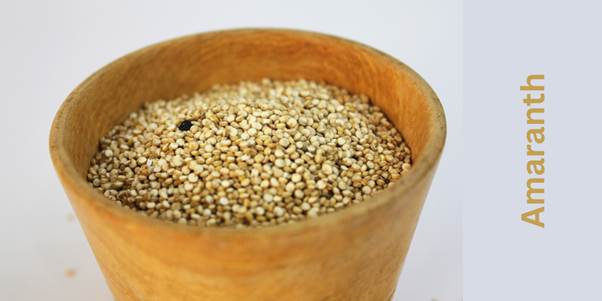
Amaranth is another seed that is often classified as a pseudo cereal. It contains approximately 550 mg of phosphorus per 100 grams and has been valued for centuries because of its nutritional qualities.
Amaranth provides plant-based protein, fiber, iron, magnesium, manganese, and phosphorus. Like quinoa, it contains a complete amino acid profile, making it a valuable food choice for people following vegetarian or plant-based diets.
The nutritional advantage of amaranth is its combination of protein and minerals. Its phosphorus content contributes to bone health and energy metabolism, while its fiber content supports digestive health.
However, amaranth also contains naturally occurring phytates, which may reduce the absorption of certain minerals. If you cook properly, it gets easily digested. Some people may also need time to adjust to its unique texture and earthy flavor.
Mustard Seeds: A Small Seed With High Phosphorus Content
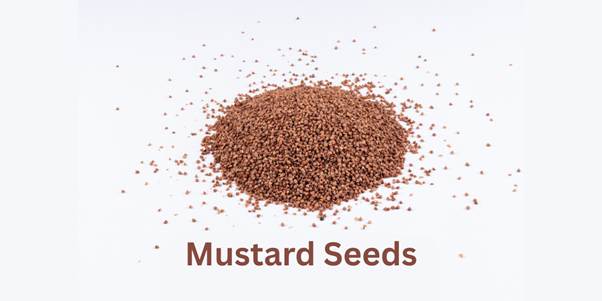
Mustard seeds contain approximately 830 mg of phosphorus per 100 grams, making them one of the richest phosphorus sources among the seeds discussed in this article. Although they are usually consumed as a spice rather than a snack, their nutrient profile is impressive.
Mustard seeds contain antioxidants, selenium, magnesium, and other beneficial plant compounds. They add strong flavor to meals while contributing valuable nutrients. Their antioxidant properties make them an interesting addition to a diet focused on overall wellness.
One advantage of mustard seeds is that a small amount can add significant flavor and nutritional value to dishes. They are commonly used in curries, sauces, pickles, and spice blends.
The main disadvantage is that typical serving sizes are very small, so they may not contribute a large amount of phosphorus to the daily diet despite their high phosphorus concentration. Their strong flavor may also not suit everyone.
Cumin Seeds: A Flavorful Seed With Moderate Phosphorus
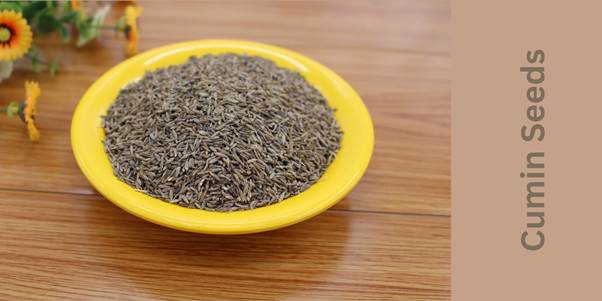
Cumin seeds provide approximately 500 mg of phosphorus per 100 grams. While it is mainly used as a spice, cumin has a long history of use in traditional cooking and is valued for both flavor and nutritional benefits.
Cumin contains iron, manganese, antioxidants, and plant compounds that support digestion and general health. Its phosphorus content adds to its overall mineral contribution.
The benefit of cumin is that it can easily enhance the nutritional quality and flavor of many dishes. It is commonly added to soups, curries, roasted vegetables, and spice mixtures.
However, because cumin is generally consumed in small quantities, it does not provide as much phosphorus in a typical serving as seeds eaten in larger amounts. Excessive consumption may also cause digestive discomfort in sensitive individuals.
Coriander Seeds: A Nutrient-Rich Culinary Seed
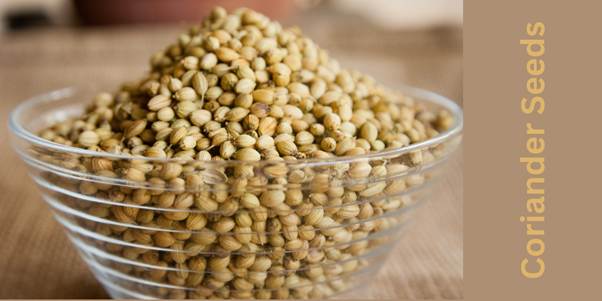
Coriander seeds contain approximately 400 mg of phosphorus per 100 grams. Although they rank lower in phosphorus compared with many other seeds on this list, they still provide valuable nutrients and beneficial plant compounds.
Coriander seeds contain antioxidants, fiber, manganese, and other minerals that support overall health. They are commonly used in spice blends and traditional recipes around the world.
The advantage of coriander seeds is their ability to add flavor while contributing small amounts of beneficial nutrients. They may also support digestive health due to their natural compounds.
The limitation is that coriander seeds are normally consumed in small amounts, so their impact on daily phosphorus intake is modest. They are best viewed as a supportive ingredient rather than a major phosphorus source.
Phosphorus Content Comparison of Seeds
| Rank | Seed | Approximate Phosphorus per 100 g |
| 1 | Pumpkin Seeds (Pepitas) | 1,230 mg |
| 2 | Poppy Seeds | 870 mg |
| 3 | Chia Seeds | 860 mg |
| 4 | Mustard Seeds | 830 mg |
| 5 | Watermelon Seeds | 750 mg |
| 6 | Sunflower Seeds | 660 mg |
| 7 | Flaxseeds | 640 mg |
| 8 | Sesame Seeds | 630 mg |
| 9 | Amaranth | 550 mg |
| 10 | Cumin Seeds | 500 mg |
| 11 | Quinoa | 450 mg |
| 12 | Coriander Seeds | 400 mg |
Phosphorus Ranking Graph
Pumpkin Seeds █████████████████ 1230 mg
Poppy Seeds ██████████████ 870 mg
Chia Seeds █████████████ 860 mg
Mustard Seeds ████████████ 830 mg
W.melon seeds ███████████ 750 mg
Sunflower Seeds ██████████ 660 mg
Flaxseeds █████████ 640 mg
Sesame Seeds ████████ 630 mg
How to Include Phosphorus-Rich Seeds in Your Daily Diet
Adding phosphorus-rich seeds to your diet does not require major changes to your eating habits. These small nutritional powerhouses can be incorporated into everyday meals in simple and enjoyable ways. Since each seed provides a different combination of minerals, fats, proteins, and plant compounds, consuming a variety of seeds is often more beneficial than depending on only one type.
Pumpkin seeds and sunflower seeds make excellent additions to breakfast bowls, salads, and homemade trail mixes because they provide a satisfying crunch along with valuable minerals. Chia seeds and flaxseeds work particularly well in smoothies, yogurt, oatmeal, and baked foods because they increase fiber content while adding phosphorus and healthy fats.
Sesame seeds can be sprinkled over vegetables, rice dishes, breads, and salads, while tahini, a paste made from sesame seeds, can be used as a nutritious dressing or spread. Quinoa and amaranth can be prepared as alternatives to traditional grains and used in salads, soups, breakfast porridge, or main meals.
Smaller seeds such as mustard, cumin, and coriander are generally consumed as spices rather than large servings. While they contain good amounts of phosphorus by weight, their actual contribution to daily phosphorus intake is usually smaller because typical portions are limited. However, they still provide valuable antioxidants and plant compounds that support overall nutrition.
A balanced approach is usually best. Combining different seeds allows you to benefit from their unique nutritional profiles while avoiding excessive intake of calories from any single source.
How to Improve Phosphorus Absorption From Seeds
Although seeds are naturally rich in phosphorus, some of that phosphorus is stored in a compound called phytic acid or phytate. Phytates are considered antinutrients because they can bind with minerals such as phosphorus, calcium, zinc, and iron, making them less available for absorption.
Fortunately, several preparation methods can help improve mineral availability. Soaking seeds before consumption can reduce some phytate content. Sprouting seeds can also increase nutrient availability by activating natural enzymes. Light roasting may improve flavor and digestibility, although excessive heating can affect some nutrients.
For quinoa and amaranth, proper rinsing and cooking are important because they naturally contain compounds that may affect taste and mineral absorption. Grinding flaxseeds is also recommended because whole flaxseeds may pass through the digestive system without being fully broken down.
Eating a varied diet that includes fruits, vegetables, legumes, nuts, and seeds provides a wider range of nutrients and helps maintain overall nutritional balance.
Are Phosphorus-Rich Seeds Suitable for Everyone?
For most healthy individuals, phosphorus-rich seeds can be an excellent part of a balanced diet. They provide important minerals, plant protein, healthy fats, and fiber that support general wellness.
However, people with certain medical conditions may need to monitor phosphorus intake. Individuals with chronic kidney disease or those following a medically prescribed low-phosphorus diet should speak with a healthcare professional before significantly increasing high-phosphorus foods.
Another consideration is portion size. Seeds are highly nutritious but also energy-dense. A small serving can provide many nutrients, but eating large quantities regularly may increase overall calorie intake. Choosing moderate portions and combining seeds with other healthy foods is generally the best approach.
People with food allergies should also be aware that certain seeds, especially sesame seeds, may cause allergic reactions in sensitive individuals.
Frequently Asked Questions About Phosphorus-Rich Seeds
Which seed has the highest phosphorus content?
Among the seeds discussed in this article, pumpkin seeds contain the highest amount of phosphorus, providing approximately 1,230 mg per 100 grams. They are followed by poppy seeds, chia seeds, mustard seeds, and watermelon seeds.
Is it right to say chia seeds are a good source of phosphorus?
Yes, chia seeds are one of the best plant-based sources of phosphorus. They provide approximately 860 mg per 100 grams and also contain fiber, omega-3 fatty acids, calcium, and antioxidants.
Are pumpkin seeds better than chia seeds for phosphorus?
Pumpkin seeds contain more phosphorus than chia seeds. However, both provide valuable nutrients. Pumpkin seeds are higher in phosphorus and protein, while chia seeds are especially known for their high fiber and omega-3 content.
Is quinoa considered a phosphorus-rich seed?
Yes. Although quinoa is commonly treated as a grain, it is technically a seed. It provides a moderate amount of phosphorus along with complete protein, fiber, magnesium, and iron.
Can eating seeds help improve bone health?
Yes. Many phosphorus-rich seeds can support bone health because phosphorus works together with calcium to maintain strong bones and teeth. Seeds such as pumpkin, sesame, chia, and poppy also provide additional minerals like magnesium and calcium.
Estimated per day seeds intake?
The ideal amount depends on your overall diet, calorie needs, and health goals. Many people benefit from adding a small handful of seeds or a few tablespoons of mixed seeds daily. Eating a variety of seeds can provide broader nutritional benefits.
Do roasted seeds contain phosphorus?
Yes. Roasting generally does not remove phosphorus from seeds. However, heavily salted or flavored roasted seeds may contain added sodium, so unsalted or lightly roasted options are usually preferable.
Final Conclusion: Choosing the Best Phosphorus-Rich Seeds
Phosphorus-rich seeds are among the most nutrient-dense foods available and provide far more than just one essential mineral. They combine phosphorus with protein, healthy fats, fiber, antioxidants, and other important nutrients that support overall health.
Among all the seeds covered in this guide, pumpkin seeds stand out as the richest source of phosphorus, making them an excellent choice for people looking to increase plant-based phosphorus intake. Chia seeds, poppy seeds, mustard seeds, and watermelon seeds also provide impressive amounts of this mineral while offering additional nutritional benefits.
Sunflower seeds, flaxseeds, sesame seeds, quinoa, amaranth, cumin seeds, and coriander seeds each bring unique advantages. Some provide more fiber, some offer healthier fats, some contain complete proteins, and others contribute valuable antioxidants and minerals.
The healthiest approach is not to focus on one single seed but to enjoy a variety of options as part of a balanced diet. By adding different phosphorus-rich seeds to meals, you can improve nutritional diversity while supporting bone strength, energy production, muscle function, and overall wellness. Small seeds can make a big difference. With their impressive nutritional profiles and versatility, phosphorus-rich seeds are a simple and natural way to enhance a healthy life.