
Guava: A Superfruit Packed with Health Benefits
Guava is one of the world’s famous nutritious tropical fruits. It has a sweet taste, refreshing aroma, and exceptional health benefits. This fruit is loved by most people. Native to Central America and widely cultivated in tropical and subtropical regions, guava is considered a staple fruit in many households due to its impressive nutritional profile.
It has many beneficial nutrients, like being rich in vitamin C, dietary fiber, antioxidants, potassium, and essential vitamins. Guava boosts immunity, heart health, digestion, skin health, and overall wellness. It is not just the fruit that is good for health, but its leaves also have been used in traditional medicine for centuries to treat various health conditions.
In this comprehensive article, you’ll learn about guava’s nutritional value, the top 10 health benefits, common uses, possible side effects, and practical ways to include it in your daily diet.
What Is Guava?
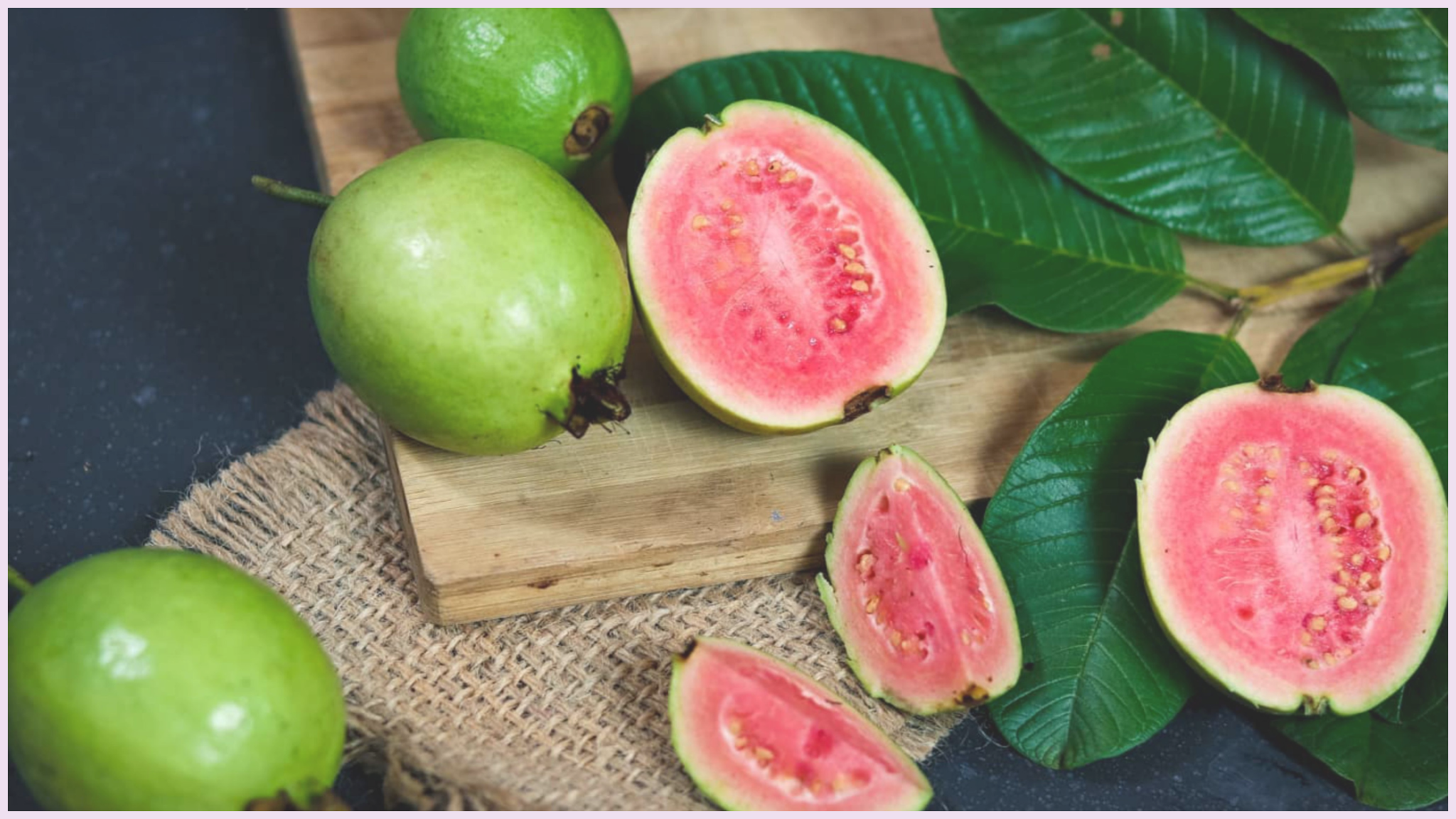
Guava is a tropical fruit produced by trees of the genus Psidium and Myrtle family (Myrteae). It has green or yellow skin with a variety of white, pink, or red pulp. The fruit contains numerous edible seeds and has a unique sweet-tart flavor.
Guava contains a higher amount of vitamin C than many other citrus fruits, that’s why it is often called a superfruit, making it one of the healthiest fruits available.
Nutritional Value of Guava
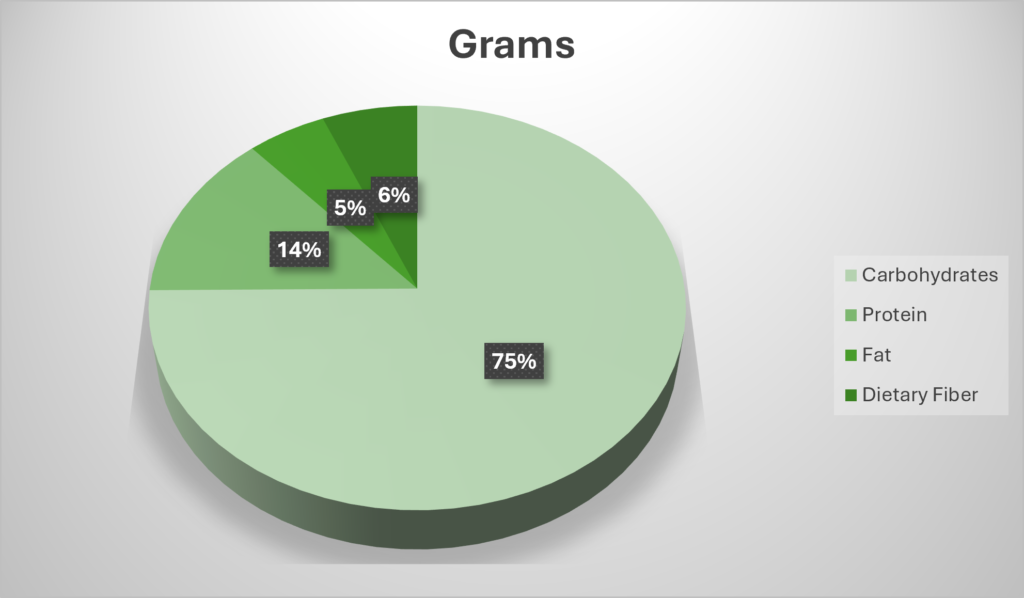
Below is a nutrition chart for raw guava per 100 grams (approximate values).
| Nutrient | Amount (per 100 g) |
| Calories | 68 kcal |
| Water | 80.8 g |
| Carbohydrates | 14.3 g |
| Dietary Fiber | 5.4 g |
| Sugars | 8.9 g |
| Protein | 2.6 g |
| Total Fat | 1.0 g |
| Vitamin C | 228 mg |
| Vitamin A | 31 µg |
| Folate (Vitamin B9) | 49 µg |
| Potassium | 417 mg |
| Calcium | 18 mg |
| Magnesium | 22 mg |
| Phosphorus | 40 mg |
| Iron | 0.26 mg |
| Sodium | 2 mg |
This nutrient-rich profile makes guava an excellent addition to a balanced diet.
Top 10 Health Benefits of Guava
1. Fight Against the Immune System
One of the biggest benefits of guava is its exceptionally high vitamin C content. A single guava can provide more than the recommended daily intake of vitamin C.
Vitamin C helps in:
- Strengthen immunity
- Reduce oxidative stress
- Promote faster healing
- Protect against infections
- Support white blood cell function
Regular eating of guava may help your body defend itself against seasonal illnesses and common infections.
2. Helps in Healthy Digestion
Guava is an excellent source of dietary fiber, which stimulates healthy digestion.
Benefits include:
- Prevents constipation
- Encourages regular bowel movements
- Supports healthy gut bacteria
- Improves digestive health
- Helps maintain colon health
3. Support Heart Health
Eating guava with its edible seeds can further help in digestive function.
Guava contains potassium, antioxidants, and soluble fiber that contribute to cardiovascular health.
It may help in:
- Maintain healthy blood pressure
- Lower LDL (bad) cholesterol
- Increase HDL (good) cholesterol
- Improve blood circulation
- Reduce inflammation
Guava is a heart-friendly diet may reduce the risk of cardiovascular disease.
4. Help to Manage Blood Sugar Levels
Guava has a relatively low glycemic index and is rich in fiber, which helps slow sugar absorption.
Research suggests that guava and guava leaf extracts may help in:
- Improve insulin sensitivity
- Reduce blood sugar spikes
- Support glucose regulation
People with diabetes should still monitor portion sizes and consult a healthcare professional for personalized advice.
5. Aids in Weight Management
If you’re making an effort to lose or maintain weight, guava is an excellent snack choice.
Reasons include:
- Low in calories
- High in fiber
- Naturally filling
- Low in fat
- Rich in nutrients
Its fiber content promotes filling and helps reduce unnecessary snacking.
6. Mend your Skin Health
Healthy skin begins with proper nutrition.
Guava provides:
- vitamin C for collagen production
- Antioxidants that fight free radicals
- vitamin A for skin repair
- Hydration through its high water content
Regular consumption may contribute to healthier, brighter, and younger-looking skin.
7. Supports Eye Health
Guava contains vitamin A and antioxidant compounds that is good for healthy vision.
Potential benefits include:
- Protecting eye tissues
- Supporting night vision
- Reducing oxidative damage
- Helping maintain healthy eyesight as you age
8. May Reduce the Risk of Certain Chronic Diseases
Guava is rich in plant compounds such as:
- Lycopene
- Quercetin
- Flavonoids
- Polyphenols
These antioxidants help counteract free radicals that can contribute to chronic diseases. A diet which is rich in fruits and vegetables, including guava, supports long-term health.
9. Help in Brain Function
The vitamins and minerals found in guava contribute to normal brain function.
Important nutrients include:
- Vitamin B6
- Folate
- Magnesium
- Potassium
These nutrients help support the nervous system, concentration, and overall cognitive health.
10. May Help Reduce Menstrual Discomfort
Traditional medicine has long used guava leaves to help relieve menstrual discomfort.
It is suggested by some studies that guava leaf extract may:
- Reduce menstrual pain
- Relax muscles
- Ease cramping
- Improve comfort during menstruation
More research is needed to explore these amazing fruit benefits, but the early findings are encouraging.
Some Common Uses of Guava
Guava is incredibly multipurpose and can be enjoyed in many ways.
Fresh Fruit
Eat ripe guava as a healthy snack with the skin for maximum fiber.
Fresh Juice
Guava juice is refreshing and rich in vitamins. No added sugar is needed for the healthiest option.
Smoothies
Blend guava with yogurt, bananas, berries, or spinach for a nutrient-packed smoothie.
Fruit Salads
Add sliced guava mixed with sliced tomatoes and a few drops of lemon juice and a dash of salt and pepper. Make the bowl for extra flavor and nutrition.
Desserts
Guava is commonly used in:
- Cakes
- Ice cream
- Jams
- Jellies
- Candies
- Pastries
Guava Tea
Guava leaves are often brewed into herbal tea, traditionally used to support digestive health.
Homemade Sauces
Guava can be cooked into sweet or savory sauces for grilled meats and desserts.
How to Eat Guava
Guava can be eaten:
Whole with the skin
- Peeled
- Sliced
- Blended
- Juiced
- Dried
- Cooked
The skin contains additional nutrients and fiber, making it beneficial to eat when washed properly.
Possible Side Effects of Guava
Guava is generally safe for most people when consumed as part of a balanced diet. However, consider the following:
- Those with allergies should avoid eating the fruit or experiencing symptoms such as itching, swelling, or difficulty breathing after eating it.
- Pregnant and breastfeeding women can generally eat guava as a food, but should avoid medicinal doses of guava leaf extracts or supplements unless advised by a healthcare provider.
- Eating excessive amounts of guava may experience bloating, stomach pain, constipation, or diarrhea in some individuals.
Conclusion
Guava is one of nature’s most nutritious fruits, proposing an impressive combination of vitamins, minerals, fiber, and antioxidants. From strengthening the immune system and supporting heart health to improving digestion, skin health, and weight management, guava provides various benefits that make it an excellent addition to a healthy lifestyle.
Guava is tremendous in all modes, whether eaten fresh, blended into smoothies, enjoyed as juice, or incorporated into recipes, it is a delicious and versatile fruit. Pair it with a balanced diet, regular physical activity, and healthy lifestyle habits to support your overall well-being.
Disclaimer: This article is only for informational purposes and should not be considered medical advice. If you have a medical condition, are pregnant, breastfeeding, or take prescription medications, always consult a qualified healthcare professional before making significant dietary changes or using guava leaves supplements.
Frequently Asked Questions (FAQs)
Q1. Is guava a healthy fruit?
Yes. Guava is a highly nutritious fruit that is rich in vitamin C, dietary fiber, potassium, and antioxidants it is low in calories and fat.
Q2. How many calories are in 100 g of guava?
One hundred grams of raw guava provides approximately 68 kcal, making it a suitable choice for a healthy snack.
Q3. Is guava good for weight loss?
Yes. Guava is low in calories and high in dietary fiber, which can help and support healthy weight management when included in a balanced diet.
Q4. Does guava contain vitamin C?
Yes. Guava is an excellent source of vitamin C, providing about 228 mg per 100 g, which exceeds the daily requirement for most adults.
Q5. Is guava suitable for people with diabetes?
Guava has a relatively low glycemic index and is high in fiber, which may help support healthy blood sugar control when consumed in appropriate portions.
Q6. What are the major nutrients found in guava?
Guava comprises of carbohydrates, dietary fiber, protein, vitamin C, vitamin A, folate, potassium, calcium, magnesium, phosphorus, and small quantity of iron.
Q7. Can guava improve digestion?
Yes. The high fiber content of guava supports healthy digestion, consuming in appropriate quantity promotes regular bowel movements, and contributes to gut health.
Q8. Is it safe to eat guava seeds?
Yes. Guava seeds are edible and safe for most people to consume in adequate quantity. They also contribute a small amount of dietary fiber.
Q9. What is the best way to eat guava?
Guava can be eaten fresh with or without the peel. It can also be added to fruit salads, smoothies, juices, desserts, or jams.
Q10. How should guava be stored?
Ripe guavas should be refrigerated and are best consumed within two or three days. Raw guavas can be kept at room temperature until they ripen.